


In today’s digital landscape, marketing content consists of more than words or images—it is the essence of your brand’s communication. Whether you are a small business owner or a freelance digital marketer, creating and sharing great marketing content can shift the way people perceive your brand and increase engagement, leads, and sales. So, how do you create marketing content that resonates with your audience? Let’s break it down step by step.
1. Know Your Audience Inside Out
Before creating any type of marketing content, understand who you’re speaking to.
Ask yourself:
-
Who are my ideal customers?
-
What are their needs, goals, and pain points?
-
What platforms do they use most often?
Creating a customer persona helps you craft content that feels personal and relevant.Remember — the best marketing content speaks directly to a specific audience, not to everyone.
1. The Importance of Understanding Your Audience in Marketing Content
Outstanding content marketing is rooted, in great part, in empathy.
When you have the ability to envision your audience’s problems, goals, and dreams, you can develop marketing content that feels personal and relatable.
A strong empathy leads to a stronger connection with your brand, in terms of: Establishing Trust and Credibility Developing Engagement and Shares Driving Better Conversions and ROI In short, the better you understand your audience, the better your marketing content strategy will perform.
2. Determine Who Your Ideal Customer Is
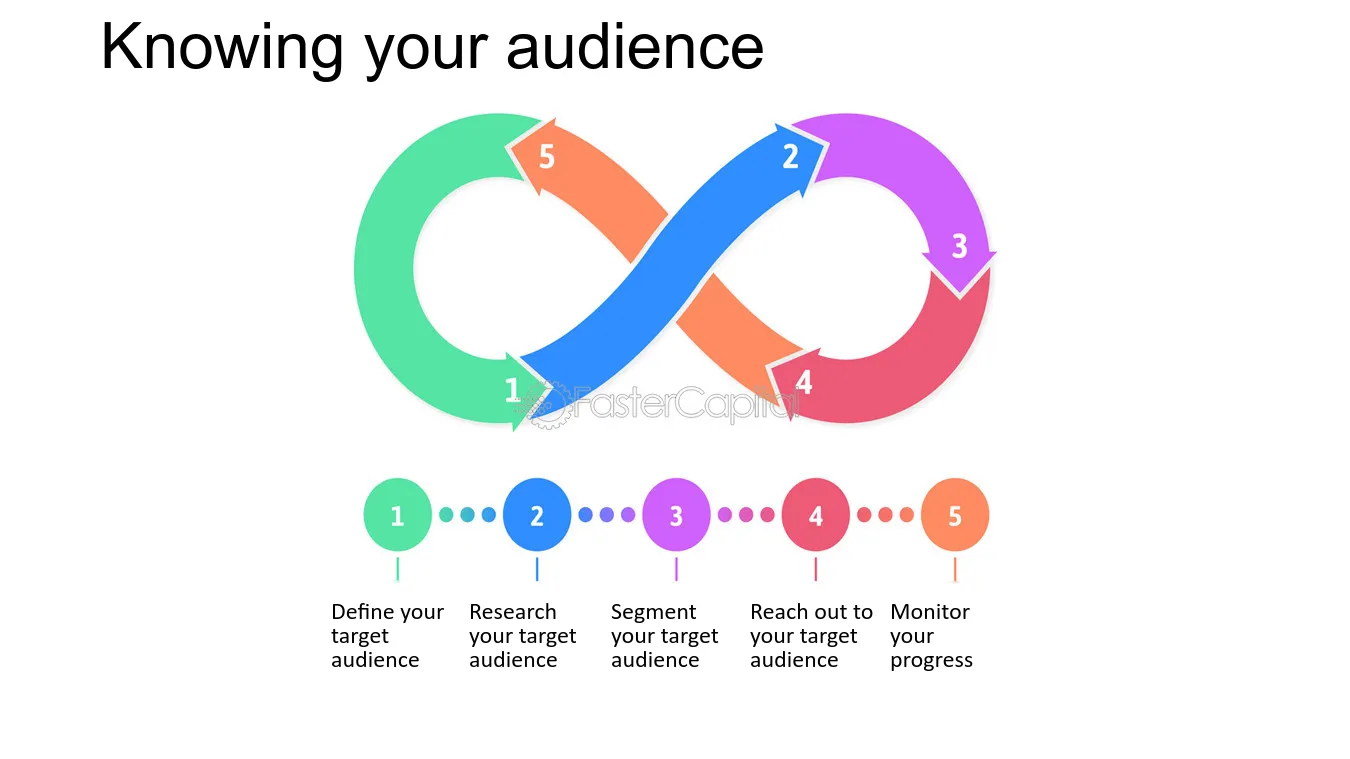
Start the process by defining your ideal customer persona – a clear understanding accounting for your perfect audience member.
When you create your perfect audience member consider:
Demographics: Age, gender.full location, and household income.
Psychographics: Interests, core values and lifestyle tendencies
Behavior: Online behavior. buying patterns and pain points.
For example, if you are a digital marketer selling eco-friendly products, your audience may consist of environmentally conscious individuals between the ages of 20-40 who purchase sustainable brands. It helps to understand the audience in order to develop marketing content that actually reflects their values.
3. Pay Attention to what Your Audience Is Saying
Listening creates a deep knowledge of your audience.
Here are some tools and tactics to extract valuable data: Social media analytics: What posts receive the most interaction?Customer feedback & reviews: Business reviews that repeatedly show praise or concern. Surveys & polls: Ask your audience what they want or prefer.
Online communities: Explore Reddit, forums. or FB groups where people go to see what they talk about. Listening provides meaningful. raw data; data that can help you create marketing content that people will relate to immediately.
4. Know Their Pain Points and Desires
Your audience wants more than just products; they want solutions to their problems. Ask yourself: What problems are they looking to solve? What are they trying to accomplish? What is standing in their way?
When your marketing content raises audiences pain points and then provides real solutions. you create a connection to your brand on an emotional level. That’s how people become engaged and loyal customers.
5. Segment Your Audience for Better Targeting
Your audience isn’t a single, cohesive group — which is why audience segmentation is important.Segment your audience into smaller groups based upon criteria like:
– Purchase history
– Location
– Age
– Engagement level with your content
Then, modify your marketing content for each audience type. For example .you could send beginners a guide for “Getting Started” while advanced users receive in-depth, expert-level information. Personalization enhances relevance .
6. Track and Continuously Improve Your Knowledge
Audience preferences are evolving, and your strategy needs to evolve too.
Leverage tools like Google Analytics, Meta Insights, and email metrics to track engagement trends.
If certain topics are performing, then evolve content accordingly; conversely, if engagement starts to fall-off, add adjustments to that content. Staying agile will ensure your brand is constantly able to meet and exceed audience expectations.
7. Speak Their Language
Arguably, one of the most powerful connections you can create is mirroring your audience’s tone, words, and emotional characteristics.If your audience is youthful and casual.
ensure a consistent light and relatable tone.If your audience is businesses, a polished, data-driven approach is typically appropriate.Language is much more than words — it is a bridge connecting your marketing content with your audience’s mindset.
2. Define Your Content Goals
Every piece of content should serve a clear purpose.
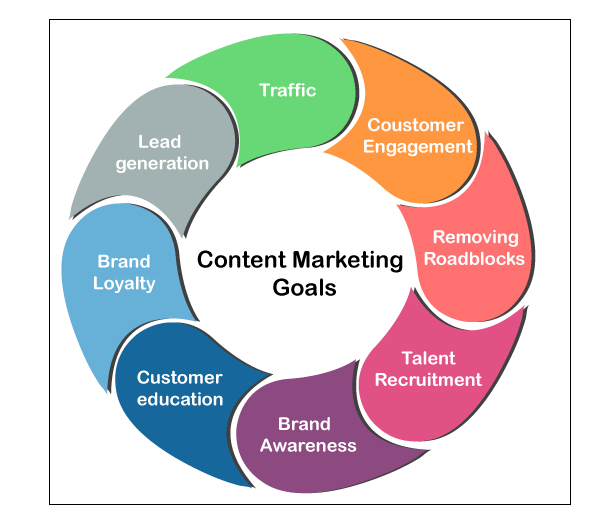
Is your goal to:
- Build brand awareness?
- Generate leads?
- Educate your audience?
- Drive website traffic?
1. The Importance of Content Goals in Marketing Content
In our modern digital landscape, content is everywhere, but not all content has intention. The brands that succeed at content marketing are the ones who do with intention behind the purpose of their marketing content.
When you define your content goals it. Helps you create targeted and consistent marketing content Helps identify the right format. tone, and platform.
Helps you measure the performance and ROI Helps you align your marketing team’s efforts. When your marketing content is created and used without goals. it becomes noise. When you have goals in mind. it becomes a purposeful communication tool that serves to grow your business.
2. Determine What you’re Trying to Accomplish
All marketing content is created and distributed for a specific purpose. Prior to creating your new marketing content.
ask yourself: What do I want this content to accomplish? Who do I want to target? What do I want my audience to do after they consume this content? Here are some more example goals for marketing content: Create brand awareness – introducing your business to a larger audience. Gather leads – prompting someone to sign up, to contact you, or to download.
Educate your audience – giving some type of information that adds value and builds trust. Create engagement – commenting, sharing, or discussing. Sales – promoting your products or services. Once you know your goals, your marketing content becomes more intentional and powerful.
3. Match Content Objectives With Business Goals
Content objectives should always serve the larger business goals.
For example: If your objective is for increased brand awareness.
you will focus on marketing content such as blogs and social media campaigns that increase reach. If there is a greater need for conversions within your business.you could produce product-focused videos.case studies.or testimonials.
When your marketing content reflects your brands overall mission, every piece of content contributes to meaningful growth instead of arbitrary activity.
3. Choose the Right Content Formats
Marketing content comes in many forms — and not every format works for every audience. Mix and match based on your brand’s voice and your customers’ preferences:
- Blog posts – for in-depth insights and SEO.
- Videos – for quick, engaging storytelling.
- Infographics – to simplify complex ideas.
- Podcasts – for building authority and connection.
- Emails – for nurturing leads.
- Social media posts – for visibility and interaction.
1. Why the Format of your Content Matters in Marketing Content
Even the best ideas can fall flat in the wrong format. The format of your marketing content dictates your audience’s understanding and engagement with your message. For example: A 3,000 word blog probably isn’t ideal for someone looking to ingest a message quickly and visually.
A short video probably doesn’t cut it for someone who likes to read in-depth articles/written guides. Picking the right format provides you with the ability to: Clearly deliver your message Engage your audience more effectively Enhance your brand’s personality Maximize conversions and ROI In short – the format determines the experience, and great marketing content is about creating the right experience for your audience.
2. Grasp Your Audience’s Content Consumption
When determining a format type, you should know how your audience consumes content.
Start with these questions:Do they prefer reading blog posts, or watching videos?Are they more engaged with social media, or email? Do they prefer to consume shorter visual content, or longer educational content?
For example, your target audience might be busy professionals. so short LinkedIn posts or podcasts would land better than longer posts. Your audience could also be students or other learners, in which case blog posts and educational YouTube videos could be more effective.
Understanding your audience will help you identify which marketing content format aligns with their habits and preferences.
3. Investigate Various Kinds of Marketing Content Formats
There are many methods for displaying your message — each serving its own unique purpose in your overall marketing content approach. Let’s investigate the formats that work the best:
a) Blog Articles
Great for SEO, education, and thought leadership
Perfect for producing ideas, guides, and advice from the experts
Example: “10 Ways to Improve Your Marketing Content Strategy”
b) Videos
Visually interesting and easy to consume
Perfect for storytelling, demos, and building brand awareness
Example: Explainer video of 60 seconds showing how your product offers solutions for pain points of the customer
c) Infographics
Great for breaking down complex material
Very capable of being shared on social
Example: Colorful infographic that visualizes “The Stages of Marketing Content Creation”
d) Social Media Posts
Great for visibility, engagement, and quick interaction
Formats: reels, carousels, and stories
Example: quick snippets of easy navigation for highly effective marketing content
e) Podcasts
The media that is perfect for audiences who learn by audio
A way to build a personal connection and build authority with your audience
Example: weekly marketing content talk to industry experts
f) E-books and Guides
Great to learn deeply and generate leads
Very high-value material for the audience looking for content with details
Example: “The Ultimate Guide to Marketing Content for Small Business”
You can enlarge your reach by utilizing these various formats.
4. Align the Format with Your Content Goal
Each piece of marketing content should have a distinct goal — and that goal should determine the format.
Goal Best Content Formats
Promote awareness Social media posts, videos, infographics
Inform your audience Blog posts, podcasts, webinars
Build leads; downloads ebooks, white papers, e-mail newsletters
Encourage engagement Reels, polls, interactive posts
Encourage conversion Product videos, customer stories, landing pages
When you have a good fit of format and content goal, your marketing content increases in intent and impact.
5. Ensure Brand Consistency Within Each Format
Your audience should recognize your brand regardless of the format you use.
This means that your tone, style, and message remain true to your brand and marketing strategy regardless of the marketing content you create; whether it’s a blog or a video or a post.
Brand consistency builds trust and recognition for your brand. Even through experimentation with different formats, your brand voice should remain consistent and authentic.
4. Create Content That Adds Real Value

The internet is flooded with marketing messages. The only way to stand out is by offering real value.
Focus on creating content that:
- Solves a problem
- Teaches something useful
- Inspires action
Reflects your brand’s personality
1. Why It’s Important to Add Real Value with Marketing Content
The world is filled with content on the internet that is easily forgotten. Content that is short-lived, repetitive, and focused solely on promotion. Real value in marketing content goes beyond being promotional in nature.
It seeks to help the audience, not just sell to them. When your marketing content adds real value, it: Creates trust with your audience Establishes your brand as an expert or authority Promotes engagement and sharing Builds longer-term loyalty to your brand Simply put, people will follow and buy from brands that help them, rather than only talking about themselves.
2. Determine The Meanings of “Value” to Your Audience
In order to create impactful marketing content – the first step is understanding what “value” means to them.Ask yourself these questions: What are my audience’s biggest pain points? What do they hope to learn more about?
How might my brand offer them an easier or better life?For example, if you are a digital marketer, they may find value in content you create around how to increase engagement or increase ad performance.
When your marketing content addresses your audience’s goals and needs – that’s when it becomes truly valuable.
3. Focus on Solutions not Sales
Your audience doesn’t wake up most days thinking about your brand – they are thinking about themselves. This is why effective marketing content focuses on solutions, not sales.
Types of solutions-focused marketing would be:How-to-dos – Teach your audience something newCase-studies – Highlight real-life results and success storiesTutorial videos – Provide a demonstration of how to use your product and/or serviceExpert tips – provide quick wins your audience could apply immediatelyWhen you provide content that guides your audience to solve problems, you become a trusted advisor not just another business.
4. Produce Marketing Content That Educates and Inspires.
Great marketing content does two things- it educates and it inspires. Educational content educates.
Inspirational content inspires Together.
they give your target market a good feeling of connection with your brand Some examples of educational or inspirational marketing content: Blogs that makes the complicated world of marketing simple. Infographics that makes the data clear and easy to understand. Motivational videos that inspire you to take action or change.
Podcasts – that share expert insights and experience. When you combine education with inspiration, your marketing content will be memorable and shareable.
5. Be Real and Original.
People can spot copy-paste or robotic content a mile away. Authenticity will make your marketing content relatable and trustworthy. Here is what authentic content means:
Share real experience and experience what you learned Write in a tone that is authentic and easy to read. Share your honest opinion and actionable advice.
Don’t use the same phrases over and over again and avoid using the same template over and over again. Original ideas really stand on their own. Even if the topic is not new, consider the new lens you bring the topic to make the marketing content engaging and valuable.
5. Optimize for SEO and Readability
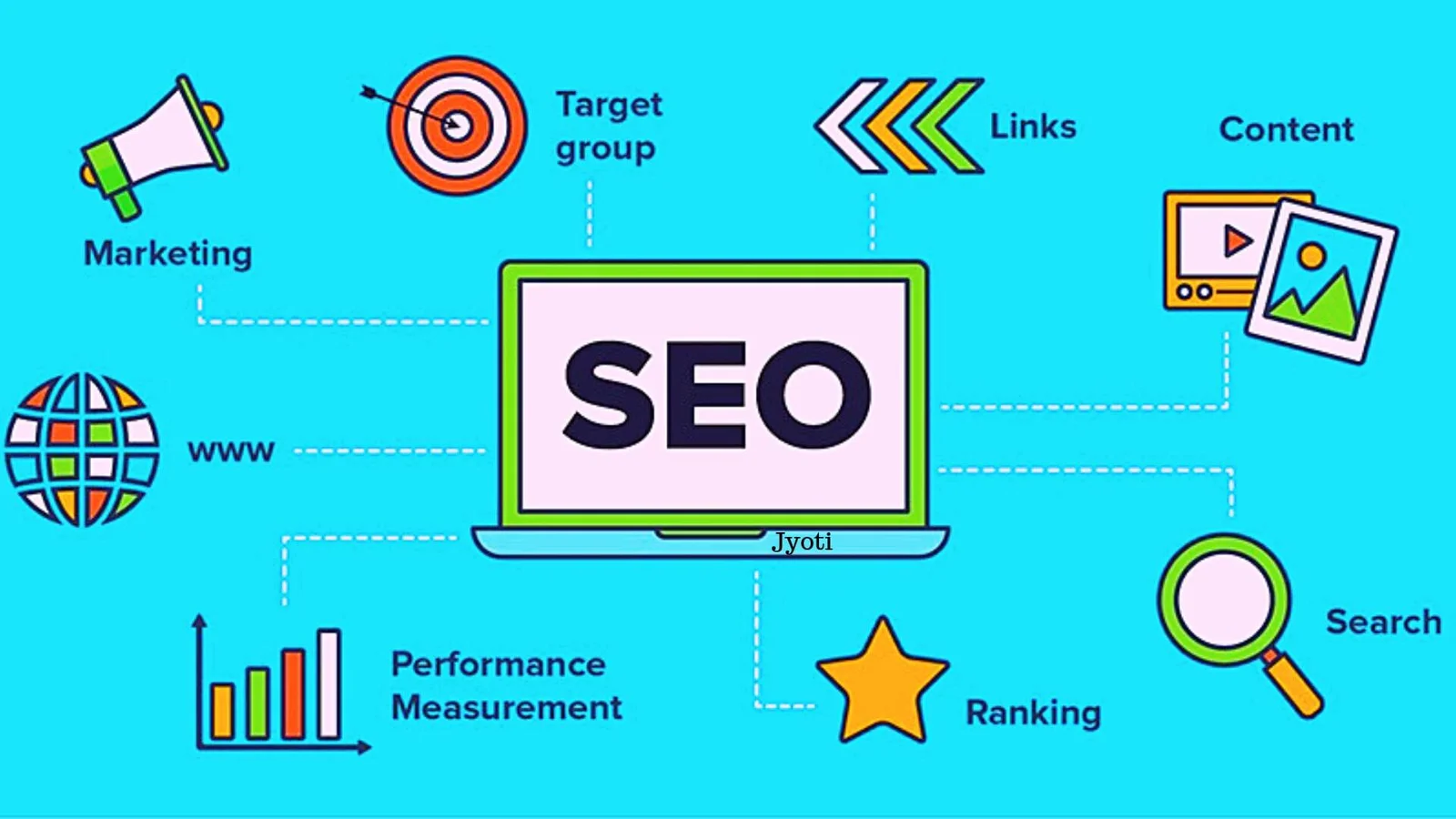
Your amazing content won’t help much if people can’t find it.
- Use your primary keyword (like marketing content) naturally throughout the post.
- Add subheadings and short paragraphs for easy reading.
- Include internal links to other pages on your website.
Use meta titles and descriptions that attract clicks.
1. Why SEO and Readability Are Important in Marketing Content
Search engines adore structured and keyword-rich content. Readers adore clarity, flow, and value. The best marketing content finds that balance.SEO makes sure your content lands in front of the right audience.
Readability makes sure, when they find it, they actually stay there and read it.To put it simply; SEO brings people to your content, and Readability keeps them there, ultimately converting that traffic from a one-time viewing to loyal readers or customers.
2. Start by doing smart keyword research
All effective marketing content starts with keyword research. You’ll learn what your audience is searching for and how they express it.Here’s how to do keyword research the right way:Use a tool such as Google Keyword Planner or Ubersuggest.Find primary keywords (like “Marketing Content”) and secondary keywords (such as “content strategy,” “SEO marketing,” or “digital branding”).Pick keywords that relate to what your audience is intending to find- are they looking for information, solutions, products, etc.?
After you’ve made note of your keywords, you’ll then use them naturally in: The title and sub-headings The introduction and conclusion Meta description Image alt text Do not stuff. Your marketing content should sound natural and conversational.
3. Create Powerful Headlines and Subheadings
The headline is the first element of your marketing content — be sure to make it strong and specific.The headline should also: Contain your target keyword Describe the subject or benefit Induce curiosity or a promise Subheading content (H2s and H3s) breaks up your marketing content and makes it more scannable for the reader, and it helps search engines visualize the content of your work.
4. Prioritize Writing for Humans and then, Search Engines
Similar to SEO, don’t forget — you as the reader, and as the author, are human, not an algorithm space. Your marketing content should be a Daniel Plainview experience more helpful than a technical manual.Suggestions for writing for humans: Use shorter paragraphs (2-3 sentences).
Write in a casual tone Do not use jargon or complex words. With better transitions based on meaning are better, for example: however, therefore, in addition, meanwhile the better flow.When your marketing content reads smoothly, the human reader stays for a longer duration. Ironically, that contributes to your SEO efforts as well.
5. Improve Meta Tags and Descriptions
Meta tags won’t directly show up in your article, but they matter a lot when it comes to how your marketing content performs on a search engine.
Title Tag: Keep this under 60 characters and show your keyword.
Meta Description: Summarize your content in around 150–160 characters, ensure it’s easy to read, and it needs to say, “Marketing Content.”
Example:
Find out how to optimize your marketing content for SEO and readability, and identify some easy strategies to help your content rank higher and connect better.
A well-optimized meta description can make users consider clicking your link versus another.
6. Use Internal and External Links
Links are a great way to help with both SEO and readability in your marketing content.Internal links connect your blog posts and provide your readers ways to explore more related pages.
Consequentially, this makes people stay on your website longer and informs the search engine you have well-structured content.External links to reputable sources articulate that you have depth and authority in your marketing content.
Example:
As we talked about earlier in “Creating Valuable Marketing Content,” your audience will likely trust your content based on the quality of information you share.
Both internal and external links help your readers and improve your SEO ranking.
6. Distribute Your Content Strategically

Creating content is only half the battle; distribution is what gets it seen.
Share your marketing content through:
- Social media channels (Instagram, LinkedIn, Facebook, X)
- Email newsletters
- Paid ads or sponsored posts
- Collaborations with influencers or brands
Communities and forums relevant to your niche
1. The Importance of Strategic Distribution of Marketing Content
Think of marketing content as a spark…and distribution is the fuel that turns a spark into a flame. Creating content requires planning, creativity, and effort to produce.
But if you don’t distribute your content smartly, you are losing potential customers who could have resonated with your content. Strategic distribution helps you: Get your message to your target audience quickly.
Enhance brand awareness. Build engagement and conversions around content. Generate the best return on investment on content marketing Your marketing content strategy is not complete until you develop an effective distribution plan to share your content with the world.
2. Choose the Right Channels for Your Marketing Content
Not all marketing content will belong anywhere. Each channel serves a different purpose and audience.The channels below are the most favorable mediums for delivering your content:Owned Media: Your website, blog, email newsletters, and social media pages – they are all essentially your brand’s home.
Earned Media: Mentions, press coverage, back links, or shares from influencers or happy customers.Paid Media: Sponsored posts, social media ads, Google ads, or partnership advertisements to improve visibility.Choosing the right combination of channels ensures that your marketing content is viewed by people who truly care about what you are selling.
3. Customize Marketing Content for Each Distribution Channel
Every distribution medium has a friendly voice, their audience and a friendly audience – that is why it’s always necessary for you to customize your marketing content for every distribution medium.
For example:
On Instagram: focus on visuals and short and catchy captions.
On Linkedin: write about professional business insights or articles about leadership.
On Youtube: produce content for tutorial purposes or behind the scenes videos.
On Email: use personalized newsletters where you will deliver value.
Customizing your marketing content for each distribution medium ensure its natural and relevant wherever it lives – which increases engagement and credibility.